
AlUla
Saudi Arabia
Rock formations, oasis landscapes, and ancient heritage - spectacular scenery where time seems to stand still.
AlUla is framed by dramatic sandstone cliffs and fertile valleys, a setting that has made it a natural place for rest and settlement since ancient times. Fed by natural springs and known for its date-filled oasis gardens, the area has long been a vital haven in the desert. Located along historic incense and spice routes, AlUla became an important crossroads for caravan trade. Merchants and goods arrived not only from southern Arabia, but also from Egypt and Mesopotamia - and even from across the Mediterranean world.
AlUla: Historical Development
Between the 6th and 2nd centuries BCE, the Kingdom of Dadan/Lihyan flourished in this region, and the city of Dadan grew into both a political capital and an important religious centre. The Lihyanites controlled key trade routes, granting them considerable regional influence. They built temples, carved monumental rock-cut tombs, and left behind numerous inscriptions—many of which can still be seen today. Their script, influenced by South Arabian characters, contributed to the early development of Arabic writing. Archaeological discoveries at Dadan and Jabal Ikmah—including statues, reliefs, and inscriptions—offer valuable insight into the administration, craftsmanship, and culture of the time.
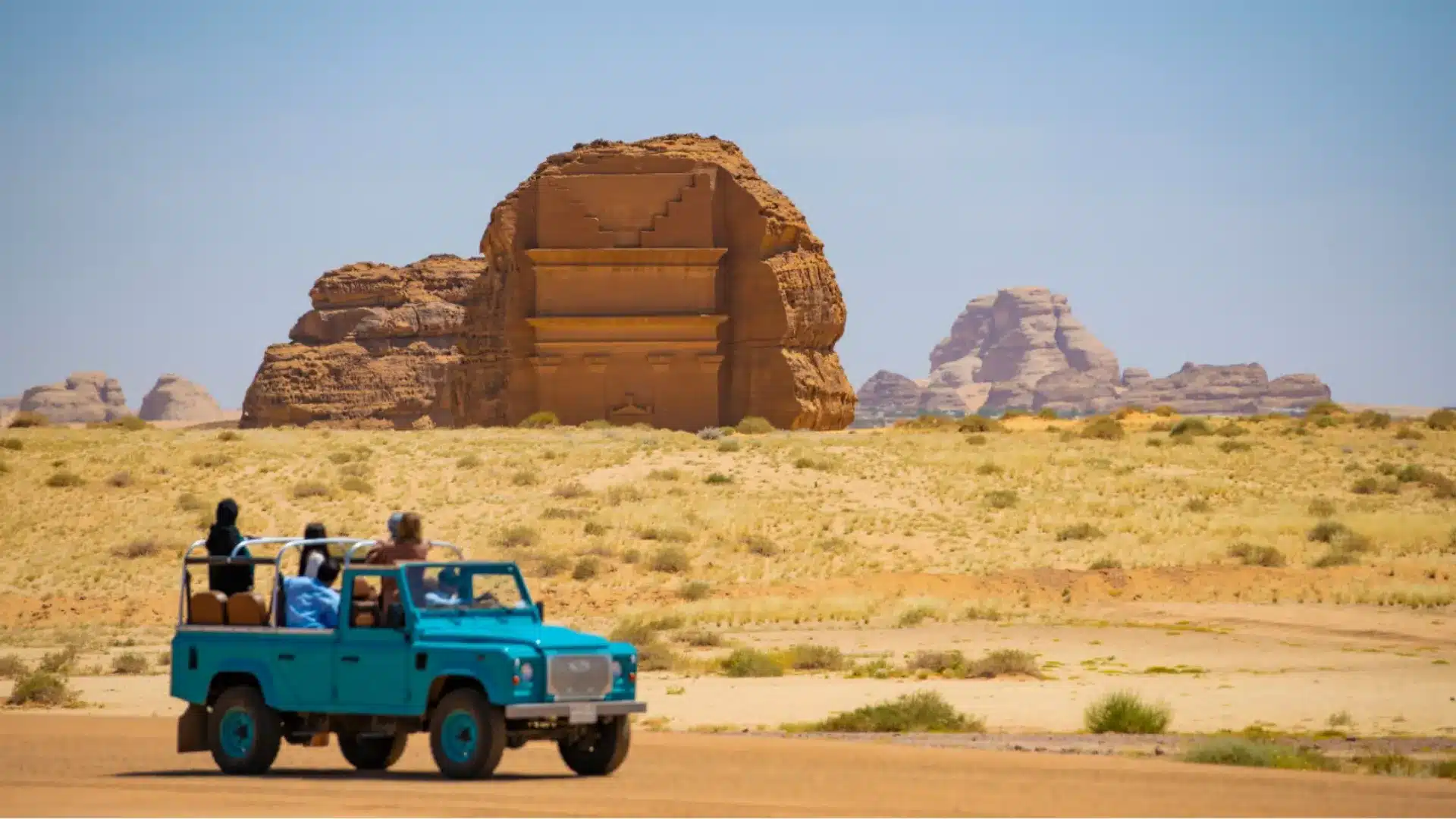
From the 1st century BCE onward, the Nabataeans took control and established Hegra (Madā’in Ṣāliḥ) as their southern capital. More than one hundred monumental tombs were carved into the sandstone cliffs, blending Nabataean artistry with influences from the Greek and Egyptian worlds. Many tombs bear Nabataean inscriptions, and today this extraordinary site forms the heart of Saudi Arabia’s first UNESCO World Heritage Site.
After the Nabataean era, Hegra remained inhabited as Roman influence expanded across the region. Trade continued to play a vital role, supported by Roman routes and infrastructure that facilitated exchange. During late antiquity and the early Islamic period, AlUla regained prominence thanks to its location along a major caravan route linking Syria and Egypt with the holy cities of Makkah and Madinah. Merchants, pilgrims, and scholars passed through the oasis, ensuring it remained a vibrant meeting point of commerce and knowledge.
Under the Umayyads, Abbasids, and later the Ottomans, the oasis continued to thrive. In the early 20th century, the construction of the Hejaz Railway once again elevated the region’s importance. The railway line from Damascus to Madinah passed near AlUla, easing pilgrimage travel and trade. Remnants of stations and tracks still stand as reminders of this transition into the modern era.
During parts of the 20th century, the region receded from international attention. In recent years, however, AlUla has experienced a remarkable revival as part of Vision 2030, with increased efforts to protect and celebrate its heritage. Today, AlUla represents a unique fusion of past and future—where archaeology, dramatic landscapes, and contemporary cultural initiatives coexist. Ongoing research, art installations, and festivals bring ancient stories back to life, while sustainable development ensures that the oasis continues to flourish as a living cultural landscape.
- Dadanite Kingdom (c. 6th–2nd century BCE): Capital of the Lihyanite realm and a key centre for trade and daily life in northwestern Arabia.
- Nabataean Kingdom (1st century BCE – 1st century CE): Home to Hegra (Madā’in Ṣāliḥ), the Nabataeans’ southern capital and a sister city to Petra in Jordan—closely connected through culture and commerce.
- Islamic Period: Later an important caravan stop along the Hejaz route, where traveller’s frequently paused thanks to its strategic location for trade and long-distance journeys.
AlUla: Culture & Distinctive Character
AlUla is a place where history, nature, and the present day converge—creating an atmosphere unlike anywhere else in the region. Often described as the cultural heart of northwestern Arabia, the oasis brings together ancient civilizations and contemporary creativity in a remarkable way. Centuries-old rock inscriptions, temple remains, and monumental tombs preserve the legacy of the Dadanites and Nabataeans, keeping their stories vividly alive. At the same time, AlUla has become a vibrant stage for cultural exchange. Events such as Winter at Tantora and AlUla Moments attract international artists and visitors, transforming the desert landscape into a venue for music, art, and dialogue.
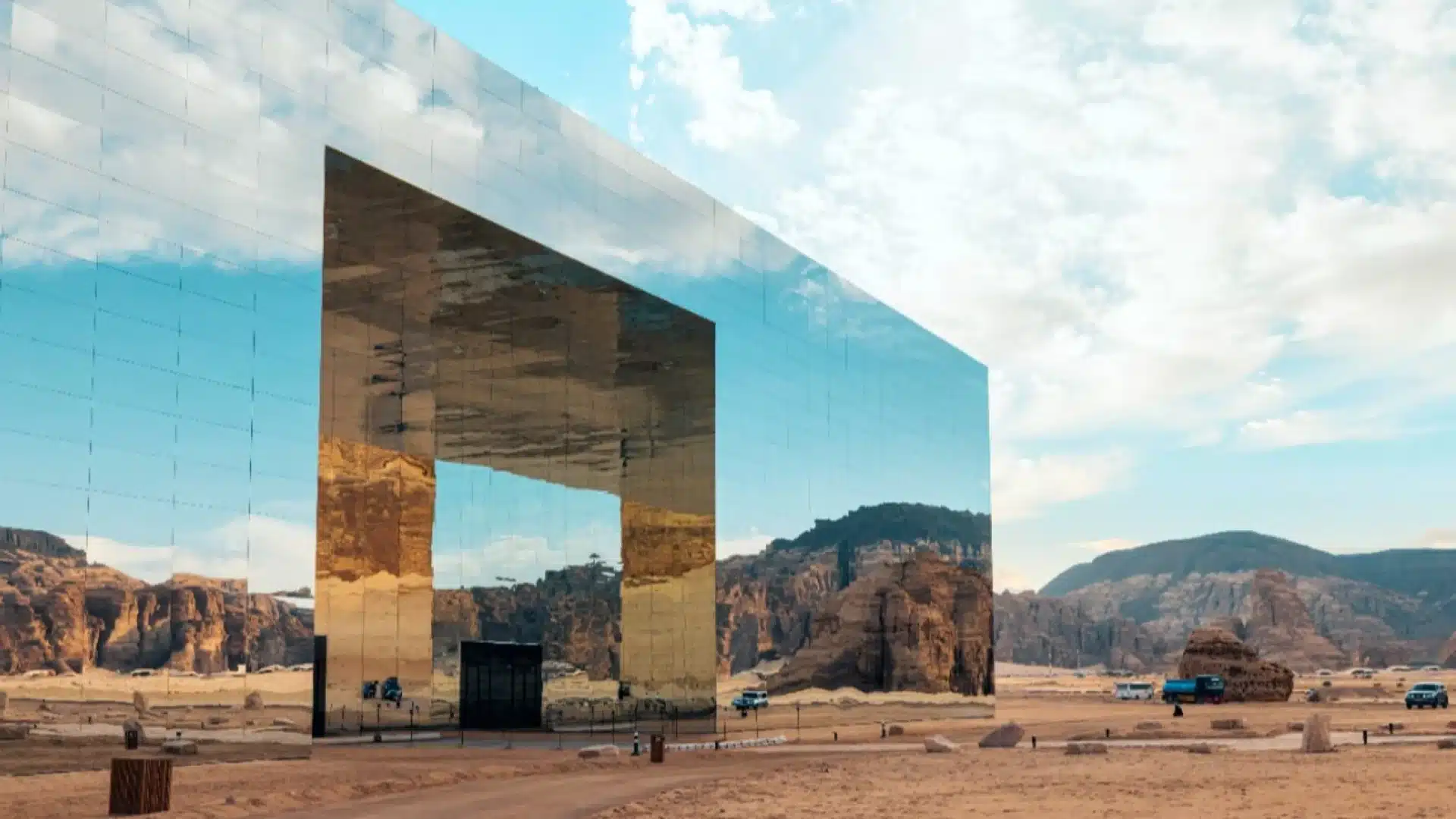
Here, tradition and innovation exist side by side. Local craftsmanship, Bedouin cuisine, and warm Arabian hospitality remain an integral part of daily life, while modern art, design, and architecture shape the region’s evolving identity. A striking example is Maraya, the mirrored concert hall that reflects the surrounding desert and blends contemporary design with its natural setting. In AlUla, desert landscapes, ancient heritage, and modern cultural expression come together - symbolizing a Saudi Arabia that honours its past while confidently embracing the future.
- “Winter at Tantora” and “AlUla Moments” feature concerts and spectacular light shows, complemented by curated exhibitions and distinctive dining experiences that turn the desert setting into a cultural celebration.
- Maraya, the world’s largest mirrored building, stands as an icon of contemporary architecture—its reflective façade blending seamlessly into the surrounding desert while creating a striking modern landmark.
AlUla: Recommended Experiences

AlUla: Good to Know Before You Go
General Overview
- AlUla is a historic oasis city in northwestern Saudi Arabia.
- It is renowned for its dramatic rock formations, ancient tombs, and the UNESCO World Heritage Site of Hegra (Madā’in Ṣāliḥ).
- Today, AlUla stands as a leading destination for archaeology, culture, and sustainable tourism.
Cuisine
- AlUla’s culinary scene blends traditional Bedouin flavors with contemporary gourmet experiences.
- Local specialties: Jareesh, Saleeg, Kabsa, and a variety of dishes featuring locally grown dates.
- Fine dining: Internationally acclaimed restaurants can be found in AlUla’s Old Town and the scenic Ashar Valley, offering refined cuisine in extraordinary desert settings.
Climate
- AlUla has a dry desert climate with noticeable temperature differences between day and night.
- Summer: Temperatures can reach up to 40°C (104°F), with hot days and cooler evenings.
- Winter: Pleasantly mild, typically ranging between 15–25°C (59–77°F).
Rainfall is rare and usually occurs between November and March.
Surroundings & Excursions
- AlUla is surrounded by spectacular rock formations and dramatic desert valleys, including the stunning Ashar Valley and Wadi AlFann.
- Activities: Desert hiking, hot air balloon rides, horseback excursions, and guided archaeological tours offer unforgettable ways to explore the landscape.
- Must-see sites: Hegra, Dadan, Jabal Ikmah, and the iconic Maraya concert hall combine natural beauty with cultural heritage.
Culture & Highlights
- AlUla is shaped by the rich heritage of the ancient Nabataeans, Lihyanites, and Dadanites, whose legacy remains visible throughout the region.
- Hegra – Saudi Arabia’s first UNESCO World Heritage Site, renowned for its monumental rock-cut tombs.
- Iconic landscapes – including Elephant Rock, the ancient city of Dadan, and Jabal Ikmah with its remarkable inscriptions.
- Contemporary culture – international art and music festivals such as Winter at Tantora bring a modern creative spirit to this timeless setting.
Travel Tips
- Best time to visit: October to April, when temperatures are ideal for outdoor exploration.
- Clothing: Light, breathable outfits are recommended during the day, with warmer layers for cooler evenings.
- Planning ahead: Early booking is advisable, as many key sites can only be accessed as part of guided tours.
AlUla: Highlights (Must-Sees)
Hegra (Madain Salih)
A UNESCO World Heritage Site featuring more than 100 monumental rock-cut tombs from the Nabataean era - an extraordinary testament to the region’s rich cultural heritage.

Elephant Rock
An iconic sandstone formation shaped like an elephant - especially unforgettable at sunset, when the desert light enhances its dramatic silhouette.

Dadan & Jabal Ikmah
The ancient capital of the Lihyanite kingdom, home to remarkable rock inscriptions, temple remains, and statues that offer insight into early Arabian civilization.
Maraya Concert Hall
The world’s largest mirrored building, hosting international artists and performances in a striking architectural setting amidst the desert landscape.
AlUla: Activities & Experiences
AlUla: Location, Map & Surroundings
AlUla is located in northwestern Saudi Arabia, within the Madinah region, approximately 300 km north of Madinah city. The oasis stretches across a wide valley framed by dramatic sandstone cliffs and volcanic basalt plateaus. Historically, AlUla lay along the ancient Incense Route, which once connected Arabia with Egypt and the Mediterranean world - underscoring its long-standing role as a crossroads of trade and culture.
Test
AlUla: Additional Information
Population
The AlUla region is home to around 45,000 residents, making it a relatively small yet vibrant community. The main town blends traditional mud-brick architecture with modern amenities, as tourism-driven development in recent years has introduced new facilities while preserving local character.
National Significance within Bahrain
AlUla is one of the flagship cultural and tourism initiatives of Saudi Vision 2030, placing the region firmly in the national spotlight. It is being developed as a model destination where cultural tourism, archaeology, and environmental conservation coexist in balance.
The Royal Commission for AlUla (RCU) plays a central role in safeguarding historical sites while actively promoting culture, art, and nature-based experiences - ensuring that growth remains both sustainable and heritage-focused.
Historical Eras
For more than 2,000 years, AlUla has served as an important centre for successive ancient civilizations, each leaving behind traces that continue to shape the region’s rich cultural landscape today.